Energy Efficiency and Insulation tips for your loft conversion
When planning your Loft Conversion, it’s easy to focus on the design, layout, and finish. One of the most important elements to consider is Energy Efficiency. A well-insulated loft not only keeps your new space comfortable all year round but also helps to lower energy bills and reduce your carbon footprint.
In this guide, we will share practical energy efficiency and insulation tips to help you get the most from your loft conversion project.
Prioritise Proper loft insulation
Insulation is the key to an energy efficient loft conversion. Because heat rises, up to 25% of your home’s energy can be lost through an uninsulated roof.
When converting your loft, make sure to:
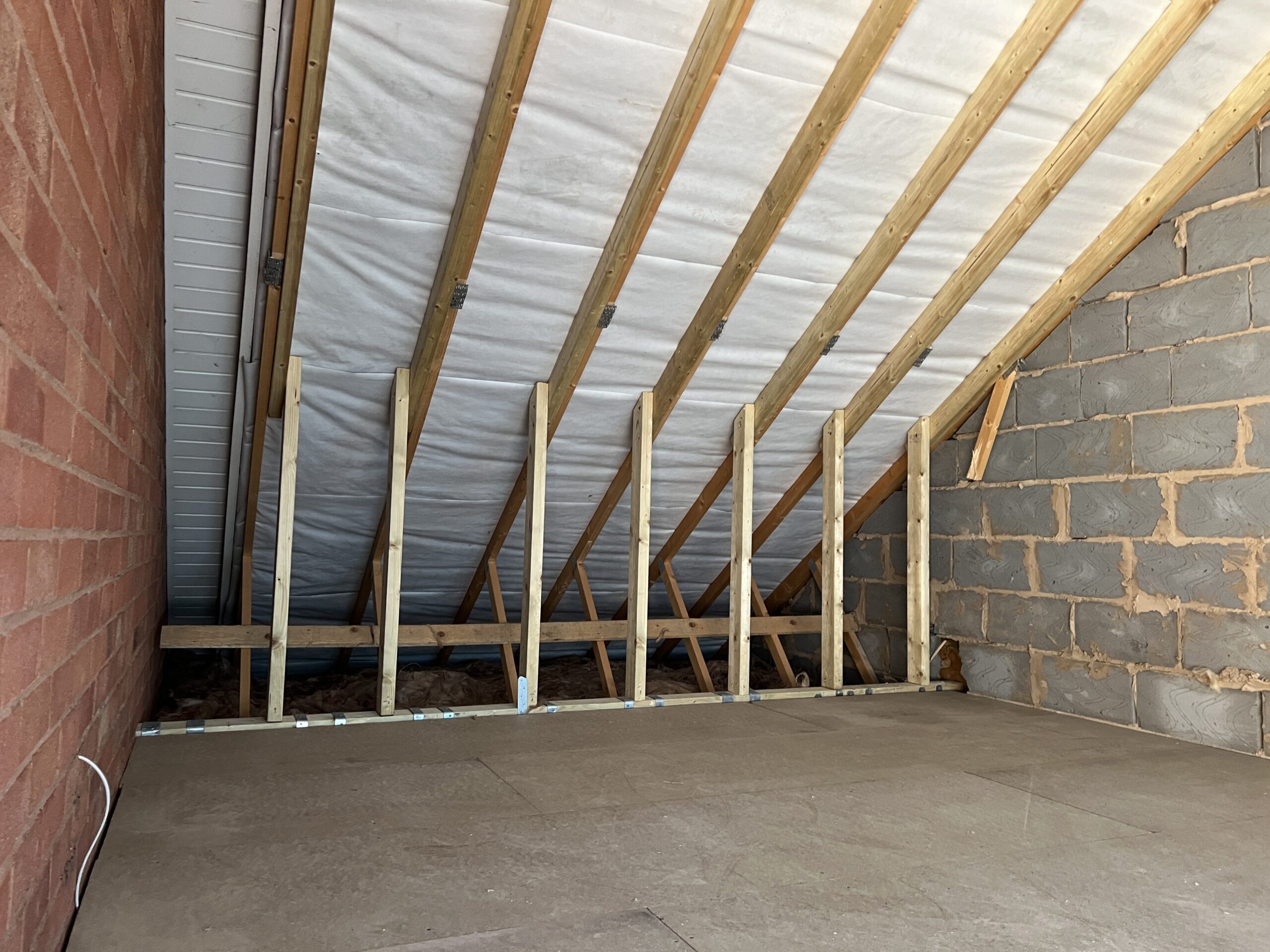
Insulate between and over the rafters to prevent heat escaping.
Use high-performance insulation materials such as PIR boards and frame foil.
Seal all air gaps properly to prevent unwanted drafts.
Tip: Thicker insulation can slightly reduce headroom, so plan your loft layout carefully to maintain comfort and efficiency.
Choose Energy Efficient Windows
Windowsplay a crucial role in maintaining temperature and natural light in your loft. For the best results, opt for:
Double or triple glazed roof windows to retain warmth. Any excessive external noise, can be reduced with specialist acoustic glazing.
Low-emissivity (Low-E) glass, which reflects heat back into the room.
Properly sealed frames to eliminate cold air entry and improve insulation.
Bonus Tip: Position windows strategically to Maximise Natural Light, reducing the need for artificial lighting and saving energy.
Ventilation Really matters
While insulation keeps your loft warm, good ventilation prevents humidity and condensation.
Consider:
Installing trickle vents in roof windows.
Adding mechanical ventilation systems in bathrooms or en suites.
Including: Ensuring adequate airflow to ensure condensation, mould and rot are avoided.
This balance helps protect your investment and air quality.
Upgrading Your Heating and lighting
For the finishing touches:
Choose energy-efficient LED lighting to cut your electricity use.
Extend your existing heating system or consider electric underfloor heating for comfort and warmth.
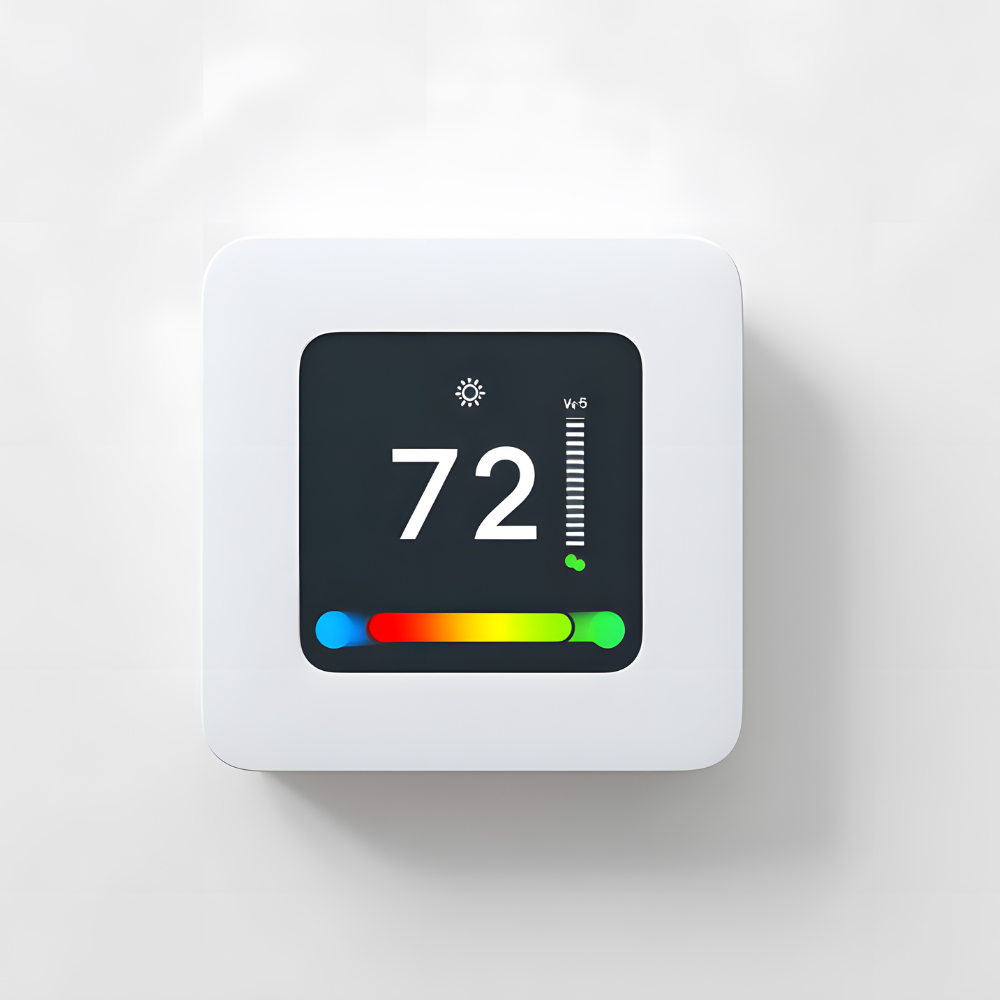
Install: a smart thermostat to control temperatures and save on energy bills.
Use Sustainable building materials
If you want to go a step further, think about the materials used in your loft conversion.
Choose:FSC-certified timber for beams and structural elements.
Reuse or repurpose materials from your existing property wherever possible.
This not only enhances energy efficiency but also supports a more sustainable home build.
The benefits of an energy efficient loft conversion
Energy-efficiency isn’t just about saving money – it’s about creating a comfortable, sustainable space that adds long-term value to your home.
At Charles Grosvenor, we design and build loft conversions that are as beautiful as they are efficient. Backed by over 50 years of experience, our team ensures every detail meets the highest standards of comfort and sustainability.
Ready to Start Your Energy-Efficient Loft Conversion?
Contact the Charles Grosvenor team today to discuss your project and discover how we can help you make your dream loft a reality.
We use cookies to ensure that we give you the best experience on our website. If you continue to use this site we will assume that you are happy with it.