Loft Conversion Specialists
Call: 01527 543668

Eco-friendly loft conversions for your home

Future-proof your property

MAKING YOUR HOME MORE ENERGY EFFICIENT

Our Expert Guide to Eco-Friendly Loft Conversions

If you’re considering a loft conversion, making it eco-friendly isn’t just a nice-to-have – it’s one of the smartest long-term investments you can make in your home.

An eco-friendly loft conversion can:

  • Reduce your energy bills significantly
  • Improve your home’s energy efficiency rating (EPC)
  • Lower your carbon footprint
  • Increase property value and future saleability
  • Help future-proof your home against rising energy costs and regulations

The most effective approach combines high-performance insulation, energy-efficient windows, sustainable materials, and smart design.

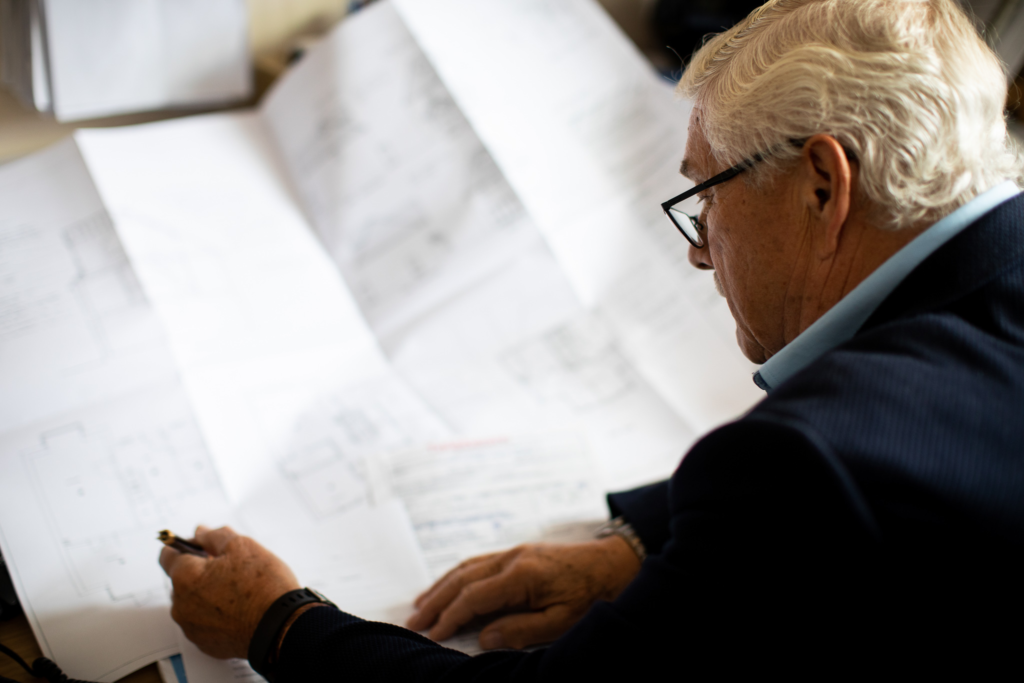
With over 50 years of experience and thousands of successful projects completed, Charles Grosvenor delivers fully managed loft conversions, from planning and design through to build across the Midlands, Home Counties, and South of England.

If you’re exploring what’s possible for your home, speaking to an expert early can help you maximise both space and efficiency.

What makes a loft conversion eco-friendly?

An eco-friendly loft conversion focuses on minimising energy use while maximising comfort and performance.

This typically includes:

  • High-quality insulation to reduce heat loss
  • Quality construction to prevent drafts
  • Energy-efficient glazing and roof windows
  • Sustainable, responsibly sourced materials
  • Smart heating and ventilation systems

Because heat rises, your loft is one of the biggest areas for energy loss in a home. Done correctly, a loft conversion can improve the overall thermal performance of your entire property.


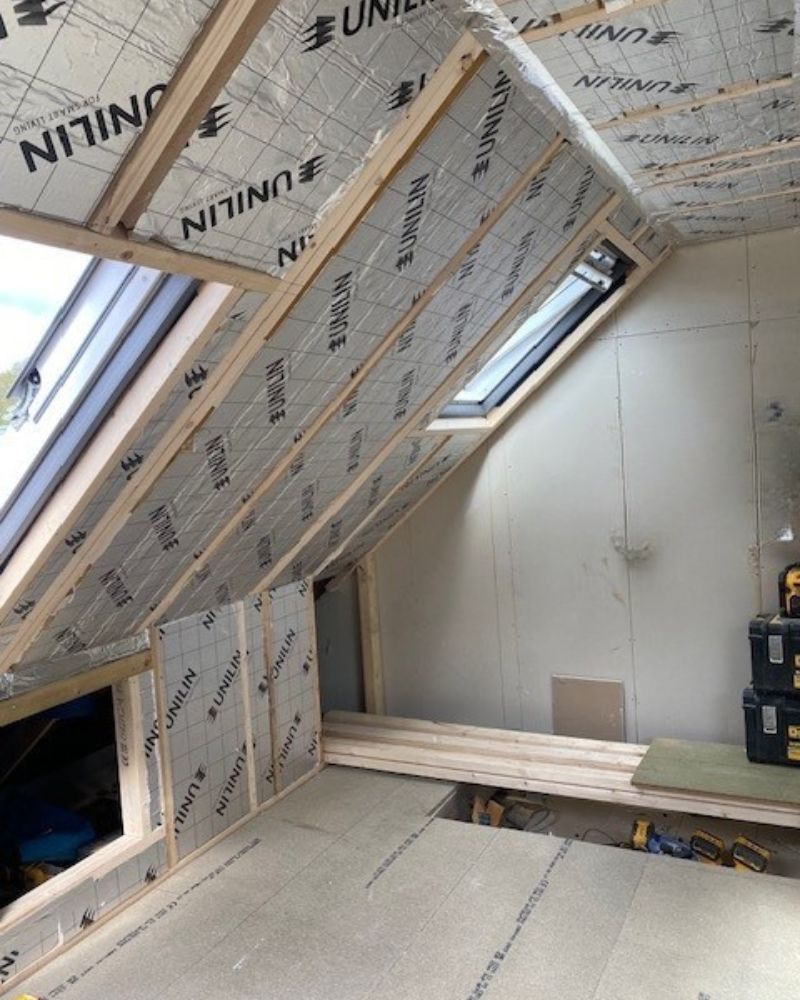
Loft insulation in place on a dormer conversion
PIR hard insulation

What is the most energy-efficient way to convert a loft?

The most energy-efficient loft conversions are designed with a fabric-first approach, prioritising the performance of the building materials before adding technology.

Key considerations include:

High-performance insulation
Rigid board insulation (such as PIR) or natural alternatives like frame foils can dramatically reduce heat loss.

Quality construction
Sealing gaps around windows, joists, and roof junctions prevents unwanted heat escape.

Triple or high-spec double glazing
Modern roof windows reduce heat transfer while maximising natural light.

Thermal bridging reduction
Careful detailing ensures heat doesn’t escape through structural weak points.

When all these elements work together, your loft becomes one of the most comfortable and energy-efficient spaces in your home.

What are the most sustainable materials for loft conversions?

Sustainable materials play a key role in reducing environmental impact.

Popular eco-friendly options include:

Natural insulation materials

  • PIR board, Cellotex, or similar
  • Foil Materials

Sustainably sourced timber
Using FSC-certified timber ensures responsible forestry practices.

Choosing the right materials doesn’t just help the environment – it also creates a healthier living space.

A new roof being built from sustainably sourced timber
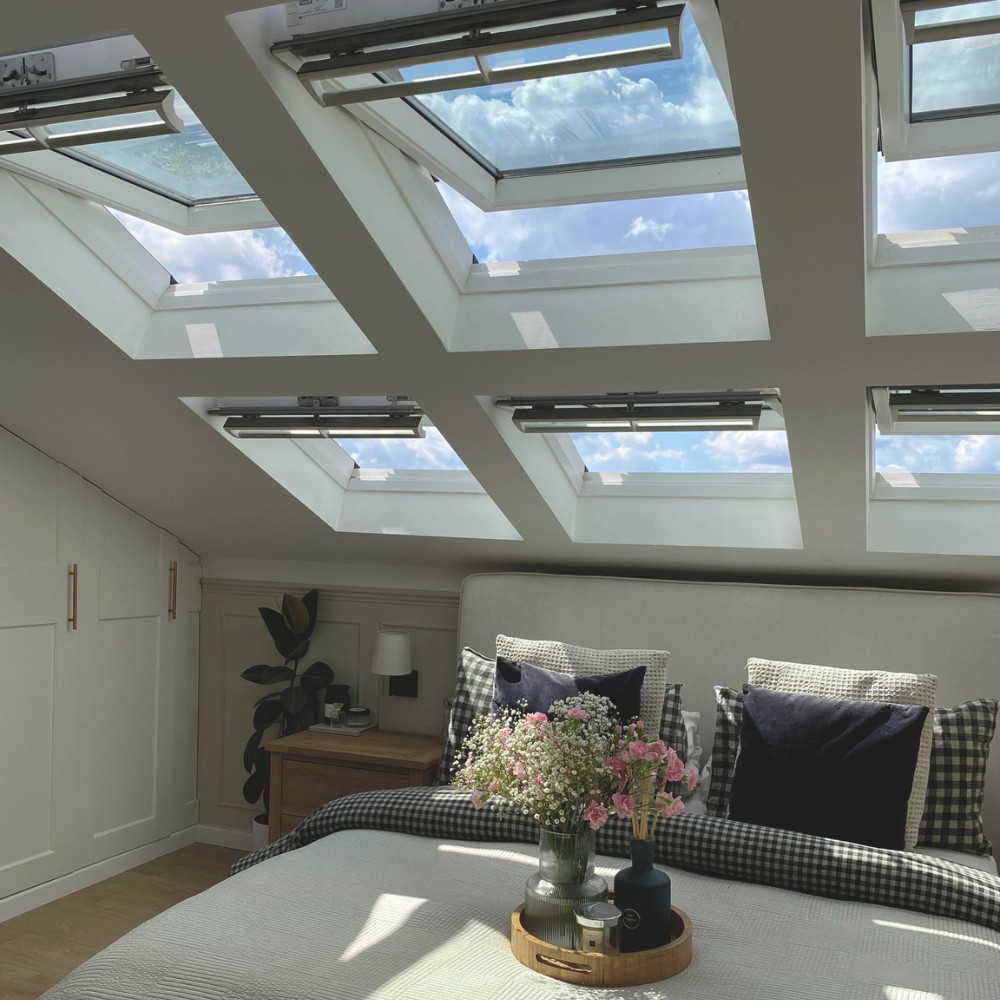
velux loft conversion

How can a loft conversion reduce your energy bills?

A well-designed eco loft conversion can significantly cut household energy costs.

Savings can be made because:

  • Improved insulation reduces heating demand
  • Better glazing minimises heat loss
  • Natural light reduces reliance on artificial lighting

In many cases, homeowners see noticeable reductions in heating bills, especially in older properties where insulation was previously lacking.

If your current loft is poorly insulated, upgrading it during a conversion can deliver immediate and long-term savings.

Are eco-friendly loft conversions more expensive?

Upfront, eco-friendly options can cost slightly more but they typically deliver strong long-term value.

Why the investment pays off:

  • Lower energy bills over time
  • Increased property value
  • Better EPC ratings
  • Reduced maintenance costs
  • Greater comfort year-round

Many eco upgrades (like insulation) are cost-effective and essential anyway, making them a logical part of any high-quality conversion.

Working with an experienced design-and-build specialist like Charles Grosvenor ensures you invest in the right areas for maximum return.

VELUX Eco Friendly
Future Proofing your Loft Conversion

How we future proof your loft conversion

Futureproofing means designing your loft space to remain efficient, compliant, and desirable for years to come.

Key strategies include:

Exceed current building regulations
Go beyond minimum insulation standards to stay ahead of future requirements.

Design for energy efficiency first
Prioritise thermal performance before adding technologies.

Flexible space planning
Create adaptable rooms that can evolve with your needs.

Smart heating integration
Ensure compatibility with modern heating systems.

Durable, long-lasting materials
Reduce the need for repairs and replacements.

A future-proofed loft conversion isn’t just about today, but ensures your home performs well for decades.

What type of loft conversion is most eco-friendly?

The structure of your home itself can influence environmental impact.

VELUX (Rooflight) conversions

  • Least structural alteration
  • Lower material usage
  • Typically the most eco-friendly option

Dormer conversions

  • More space but higher material use
  • Still efficient when built with modern methods

Mansard conversions

  • Largest transformation
  • Greater material and structural requirements

While all types can be made energy-efficient, simpler designs generally have a lower environmental footprint.

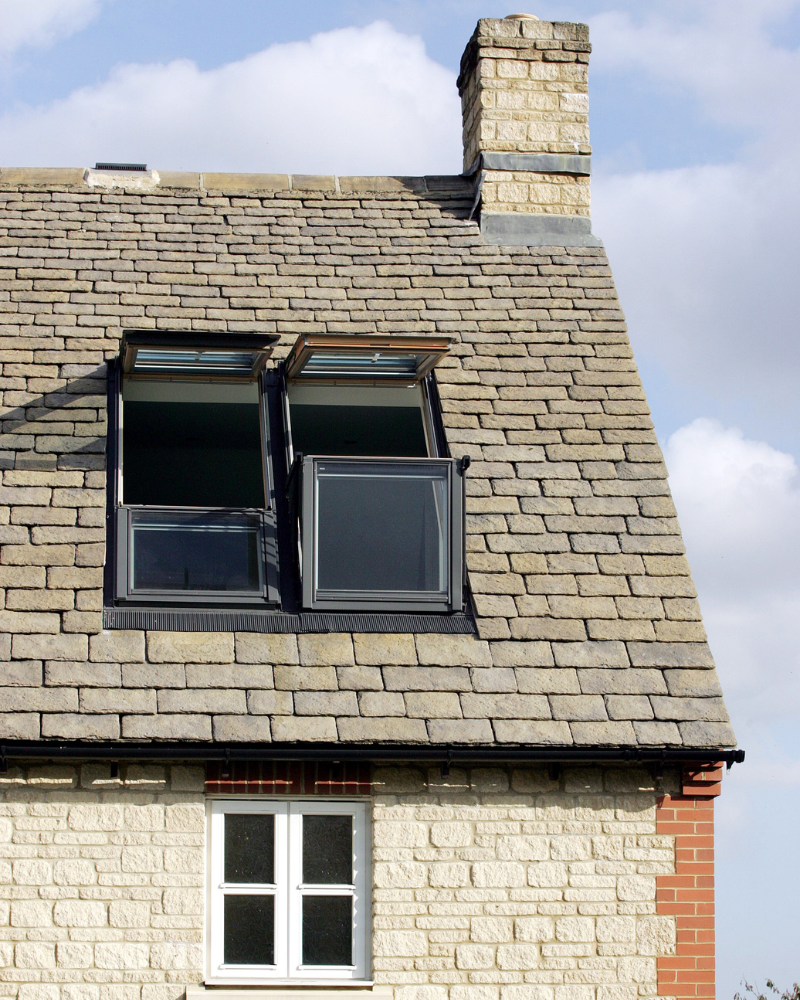
VELUX Loft Conversion with cabrio windows
A Charles Grosvenor team member measuring timber in their workshop

Why work with a specialist loft conversion company?

Eco-friendly design isn’t just about materials – expert planning, detailing, and execution are all vital parts of the process

Charles Grosvenor offers:

  • Over 100 years of combined Director industry experience
  • Thousands of completed loft conversions
  • Full planning, design, and build service
  • Accreditation as a Which? Trusted Trader
  • Membership with the Federation of Master Builders

This level of expertise ensures every element, from insulation to structural design, is delivered to the highest standard.

If you’re considering a loft conversion, getting professional input early can help you avoid costly mistakes and maximise efficiency from the outset.

FAQs: Eco-friendly loft conversions

Do loft conversions improve EPC ratings?

Yes. A well-insulated loft conversion can significantly improve your home’s EPC rating by reducing heat loss and improving overall efficiency.

Can I make an existing loft conversion more eco-friendly?

In many cases, yes. Upgrading insulation and installing better glazing can enhance performance.

How long does it take to see energy savings?

Many homeowners notice reduced energy bills immediately after completion, particularly in older homes with poor insulation.

Are eco loft conversions worth it?

Absolutely. They provide long-term savings, improved comfort, and increased property value, making them a smart investment.

Start your eco-friendly loft conversion today!

An eco-friendly loft conversion is one of the most effective ways to improve your home, adding space, reducing energy costs, and preparing for the future. With decades of experience and a fully managed service, Charles Grosvenor helps homeowners create high-quality, energy-efficient loft spaces tailored to their needs.

If you’re ready to explore your options, get in touch today to discuss your project and see how an eco-friendly loft conversion could transform your home.

Ready to Plan your Loft Conversion?

Working with Charles Grosvenor ensures your budget is realistic and controlled from start to finish, giving you peace of mind and helping to avoid unexpected costs later in the project.  Call 01527 543668 today to arrange your FREE no obligation quote.